
Build Better Daily Habits
Educational guidance on lifestyle nutrition, meal planning, and routine consistency. Learn about building sustainable habits for everyday wellness.
Request a Consultation
Lifestyle nutrition consultants provide educational guidance on daily eating routines, meal planning basics, and habit-building strategies. This is general information for personal routine development, not medical advice or healthcare services.

A keto-style eating routine typically involves choosing foods that are lower in carbohydrates and higher in healthy fats. This approach to meal planning has become popular for those exploring different eating patterns.
Common food choices in this routine may include leafy greens, healthy oils, nuts, seeds, and protein sources. The goal is to maintain consistency in daily food choices while staying mindful of carbohydrate intake.
This is general information about an eating approach. Individual responses vary, and this routine may not be suitable for everyone. Always consider your personal circumstances when making dietary changes.

Intermittent fasting is a pattern of eating that alternates between periods of eating and not eating. Rather than focusing on which foods to eat, it addresses when to eat them.
Common approaches include eating within a specific time window each day, such as an 8-hour window with a 16-hour break, or other flexible schedules that fit individual lifestyles.
This is educational information about a timing approach to eating. Individual experiences differ, and this pattern may not align with everyone's needs or circumstances.
An eating window of 8 hours followed by a 16-hour break. This is one example of a flexible eating schedule that some people find fits their daily routine.
Five days of regular eating followed by two days of lighter intake. This approach offers flexibility across the week.
Maintaining similar meal timing and food choices each day. Consistency can help establish predictable daily rhythms.
These are examples for educational purposes. Individual needs vary, and no single approach is ideal for everyone.
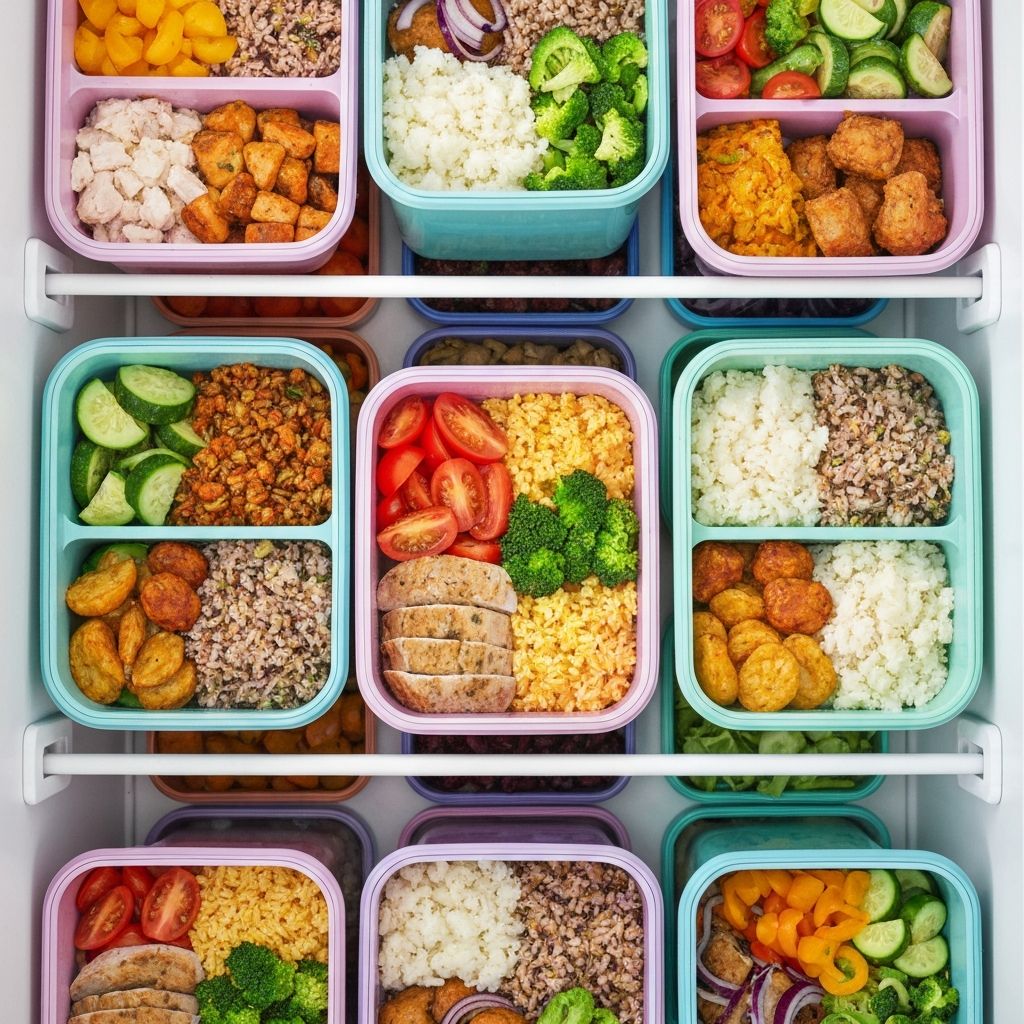
Creating a weekly shopping list can help streamline your routine and reduce daily decisions. Consider planning meals in advance and preparing ingredients ahead of time.
Staying hydrated throughout the day supports overall wellness. Water intake needs vary by individual, activity level, and climate.
Building a reliable meal rhythm helps establish predictable daily patterns. Simple, repeatable routines are often easier to maintain over time.
Consistent sleep patterns support overall daily function. Aim for regular sleep and wake times that align with your schedule.
Regular physical activity contributes to daily wellness. Find movement patterns that fit your lifestyle and preferences.
Building habits takes time and repetition. Small, sustainable changes often prove more maintainable than drastic shifts.
This educational resource may be helpful for individuals interested in learning about:
This is general information for educational purposes. Individual needs and circumstances vary significantly.
The information provided here is educational and intended to support general knowledge about daily routines and eating patterns. This is not personalized advice for your specific situation.
Before making significant changes to your eating routine, physical activity, or lifestyle habits, consider consulting with qualified professionals who understand your personal circumstances and health history.
You are responsible for decisions about your own routine and lifestyle. Individual responses to different eating patterns vary widely, and what works for one person may not be appropriate for another.
The educational materials helped me understand meal planning in a way that made sense for my schedule. I appreciated the straightforward information.
Learning about different eating routines gave me ideas to explore. The consultation helped clarify which approach might fit my lifestyle.
I found the information about routine consistency particularly useful. It gave me a framework to think about my daily habits.
Start by observing your current patterns and identifying small, manageable changes. Consistency matters more than perfection. Consider beginning with one meal or timing adjustment rather than overhauling everything at once.
Flexibility is part of sustainable habit-building. When traveling, focus on maintaining general principles rather than strict rules. Planning ahead and staying hydrated can help maintain consistency across different environments.
Adaptation periods vary by individual and depend on many factors including the specific changes made and personal circumstances. Some people notice shifts within days, while others take weeks. There is no standard timeline.
Yes, flexibility is encouraged. The information provided here is meant as general guidance. Adapting any routine to fit your lifestyle, preferences, and daily schedule is part of creating a sustainable approach.
Eating patterns can be adjusted to accommodate various schedules. The principles of consistency and mindful planning apply regardless of specific timing. Choose windows that align with your work, sleep, and activity patterns.
Meal planning, batch preparation, and keeping a stocked pantry with familiar foods can help. Creating a rotation of go-to meals reduces daily decision-making and supports routine maintenance.
Request an informational consultation to explore how these educational principles might apply to your daily routine. We provide general guidance on habit-building and meal planning basics.
Request a Consultation